|
|


|
|
Info on Neem...
|
Neem Information Downloads
This information was compiled from research on National Institutes of Health (USA) website, with thanks to tremendous work by Vicki Parsons of Neem Tree Farms. With Vicki's permission, we post this here because of our commitment to the continuing education of us all.
We urge everyone to please consult a professional health care practitioner to diagnose, treat, cure or prevent disease. None of these statements have been evaluated or approved by the U.S. Food and Drug Administration.
Some of the research included in these compilations was performed on animals. At Organix-South we do not support, sponsor or condone this animal research and provide it as a reference of research already performed. While worldwide scientific research around neem and other herbs continues, we want to acknowledge the critical importance and value of traditional herb lore, and all the people who have for generations studied, researched and handed down first hand information about herbs.
Separate reports on each of these topics provide the latest information from the NIH site, along with a brief overview that explains the basic concepts. But while neem has been in continual use for thousands of years, it is a potent herb. Please read our download on safety before starting any program using neem.
Organix-South does not sell products which are intended to diagnose, treat, cure or prevent any disease, or repel or kill any insect on humans, animals or plants. The research presented on this page is not intended to diagnose, treat, cure or prevent any disease. The statements have not been evaluated by the U.S. Food and Drug Administration. Whenever possible, links to abstracts published by the National Institutes of Health (a division of the U.S. Department of Health and Human Services) are provided. However, some of the earlier research is not available online and appropriate footnotes have been provided. Research was gratefully assembled and posted with permission by Vicki Parsons with Neem Tree Farms.
ALWAYS CONSULT WITH YOUR HEALTHCARE PROFESSIONAL BEFORE STARTING ANY NUTRITIONAL, HERBAL, HOMEOPATHIC, OR DIETARY SUPPLEMENT PROGRAM.
|
|
|
|
The National Institutes of Health, an agency of the U.S. Department of Health and Human Services and a sister agency to the U.S. Food and Drug Administration, has created a database of national and international research journals called MedLine. It includes more than 150 documents on neem. To search for neem and a specific question, type neem AND disorder, i.e., neem AND parasites or neem AND antiviral. MDChoice.com is a privately held company founded by academic physicians and backed by private venture capital. They have developed a unique, patent-pending technology that provides specific, content-focused information from MedLine at the click of a mouse button.
|
|
Excerpted from:
Stix, Gary: "The Village Pharmacy,"Scientific American, page 132 of the May '92 issue. A review of the National Research Council report entitled, "Neem: A Tree For Solving Global Problems."
While the Neem tree has been used intensely for centuries wherever it grows, Western interest did not register until the 1920's. Real interest was peaked in 1959 when a German entomologist, Heinrich Schmutterer, noticed that Neem trees were not consumed by locusts during a plague in the Sudan; characteristically, all other vegetation was stripped to the ground. After Schmutterer's report, research on the Neem tree and its uses became a little industry of its own.
Neem is now gaining acceptance in the West. Neem extracts have been found to be extremely effective against more than 200 arthropod species including, but not limited to, the Mediterranean fruit fly, house flies, fleas, head lice, the Gypsy moth, the Colorado potato beetle, the boll weevil, and cockroaches. This list is a veritable Who's Who of super-resistant insects. As the National Research Council (NRC) points out, Neem has a complex chemical makeup, more than twenty compounds identified to date, which makes developed resistance unlikely. This smacks of 20/20 hindsight since no problem insects in the Orient, where the Neem tree has grown for thousands of years, are known to have developed resistance to it. Neem accomplishes this without committing "ecocide." Mr. Stix points out that birds and bats regularly eat the Neem fruits with no ill effects. They must see the killed insects as a wonderful windfall! He adds that Neem leaves are routinely added to grain stores in India to keep weevils out, with no effect to the grain or the people who eat it.
Medical benefits are vastly claimed but poorly researched. Neem paste is applied to the skins of victims of chicken pox (stops the itching among other benefits) and warts. Several reports document Neem's effect on oral bacteria.
Quietly balancing this very conservative approach is the legendary guru of miracle plants, Noel D. Vietmeyer. Dr. Vietmeyer is a program officer with, and spent 20 years on the Board of Science and Technology for International Development for the NRC. He has "shepherded" the debuts of such plant giants as the jojoba, and amaranth. In the foreword to the NRC's Neem report he insists: "I've never come across a plant with the potential the Neem has." Enough said.
|
|
|
ALL ABOUT NEEM
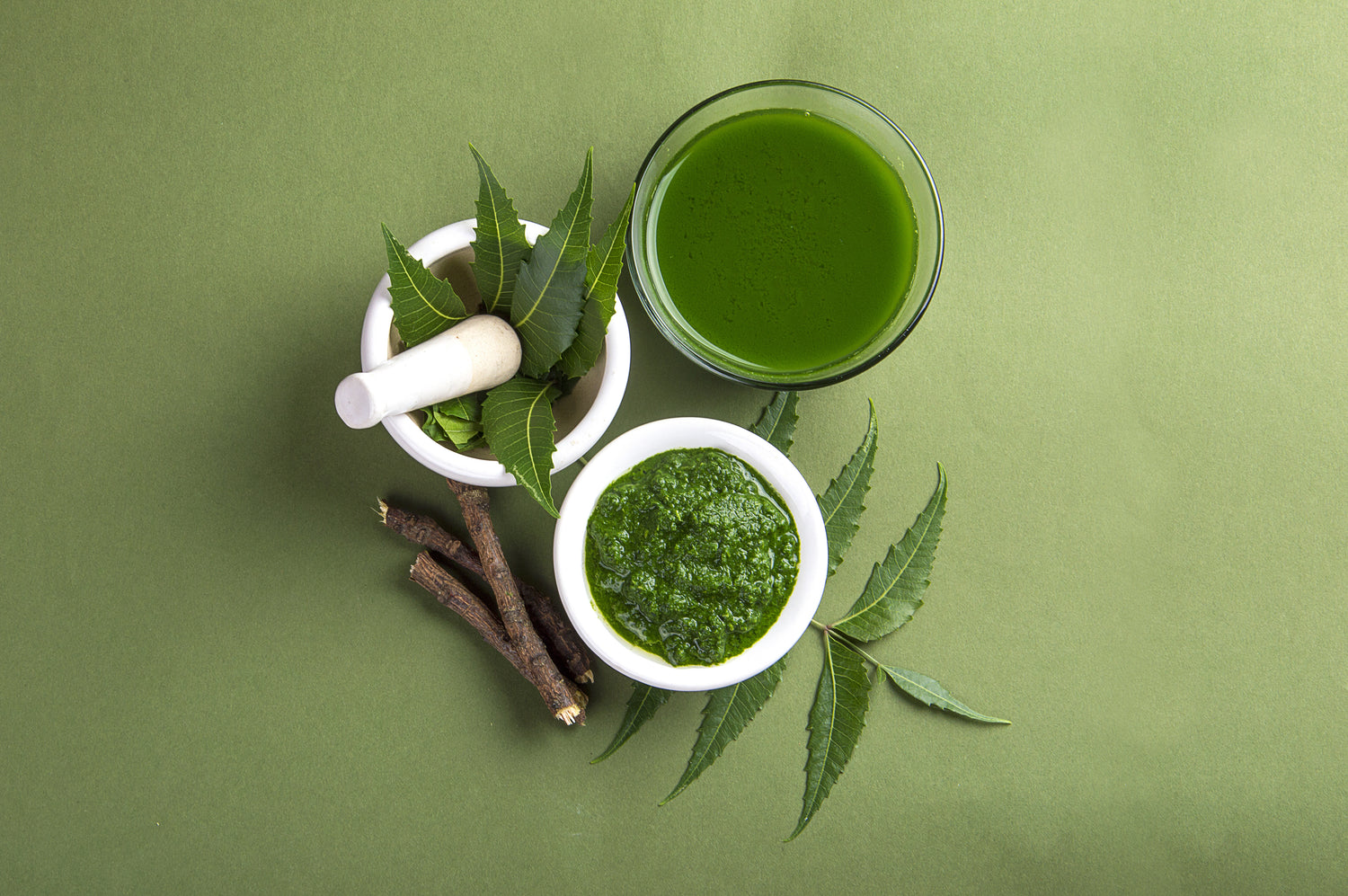
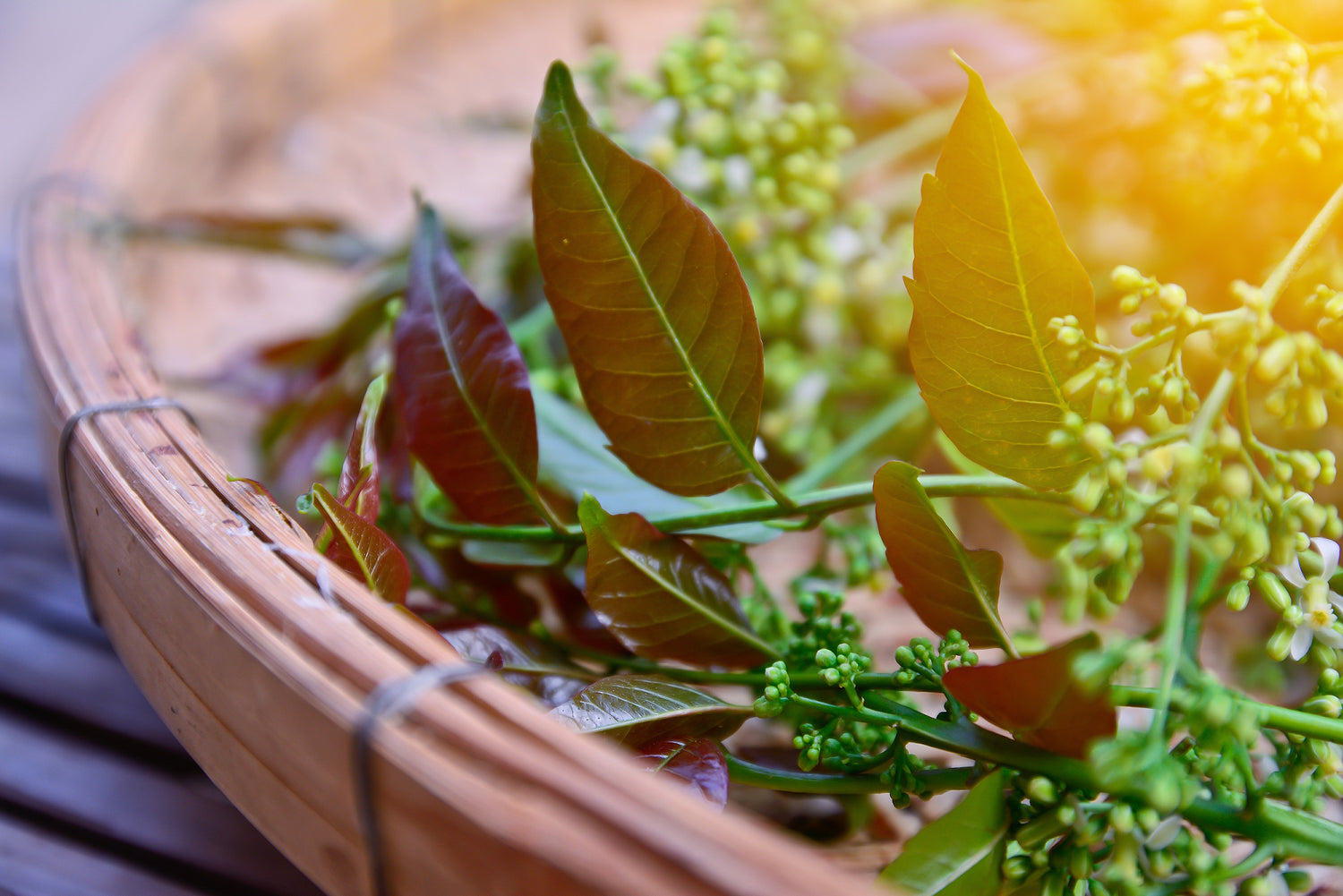
A fast-growing tree native to Southeast Asia, neem (Azadirachta indica) is now grown in tropical ecosystems around the world. Known to millions of people as the “village pharmacy,” neem has been used for thousands of years to support health and wellness in people and to promote healthy gardens and agricultural practices.
Some of those myriad traditional uses may be explained with recent research showing that neem contains extraordinarily high levels of antioxidants. Antioxidants combat free radicals that have been implicated in a wide variety of disorders including arteriosclerosis, diabetes, heart disease, Alzheimer’s and Parkinson’s.
Like many herbs, neem also contains compounds that help protect it from pests and disease in the wild. These antibacterial, antiviral and antifungal constituents may be effective in humans and domestic animals.
|
|
Internally, neem leaf is taken to:
- Internally, neem leaf is taken to:
• Act as a blood purifier and tonic
• Help maintain healthy liver function
• Maintain an optimum balance between HDL and LDL cholesterol and promote a healthy cardiovascular system
• Boost antioxidant levels to help prevent damage from environmental toxins and pollutants and protect vision
• Enhance immune system function
• Strengthen mental balance
• Aid in a healthy response to minor inflammation
• Improve joint health and mobility
• Stimulate proper bile flow to help maintain healthy digestion, assimilation and elimination.
• Promote respiratory and sinus relief, reduce inflammation of bronchial system and modulate sinus health
• Improve the appearance of skin and help prevent noncystic acne
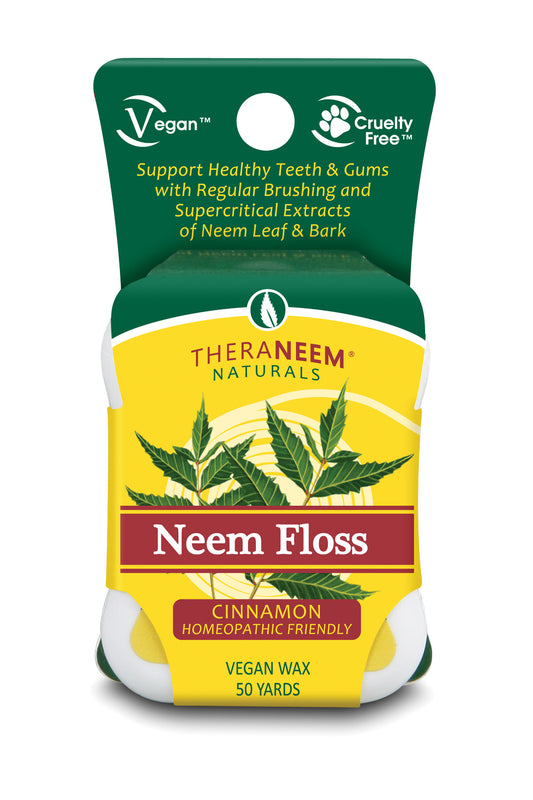
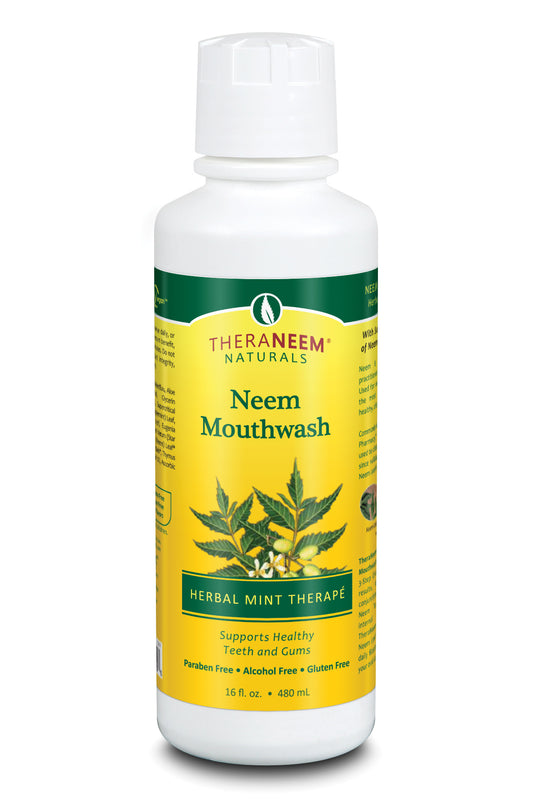
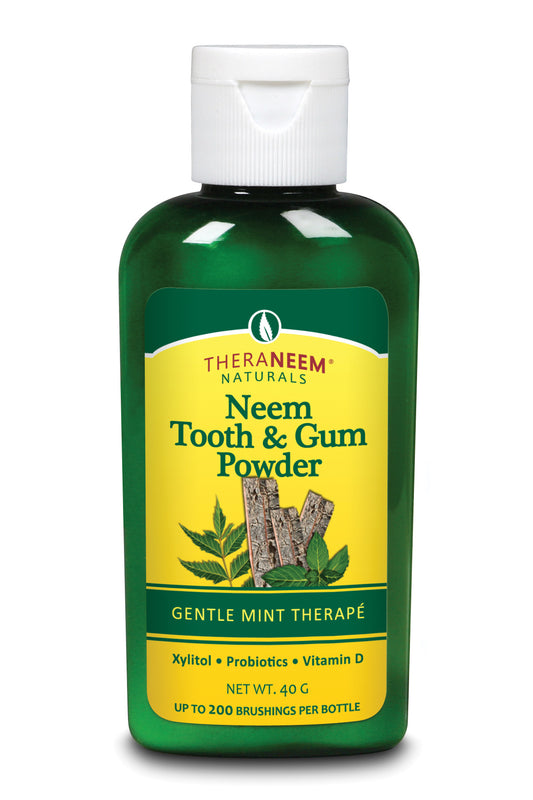
• Promote healthy teeth and gums
• Help support healthy blood sugar levels
|
|
Topical Uses
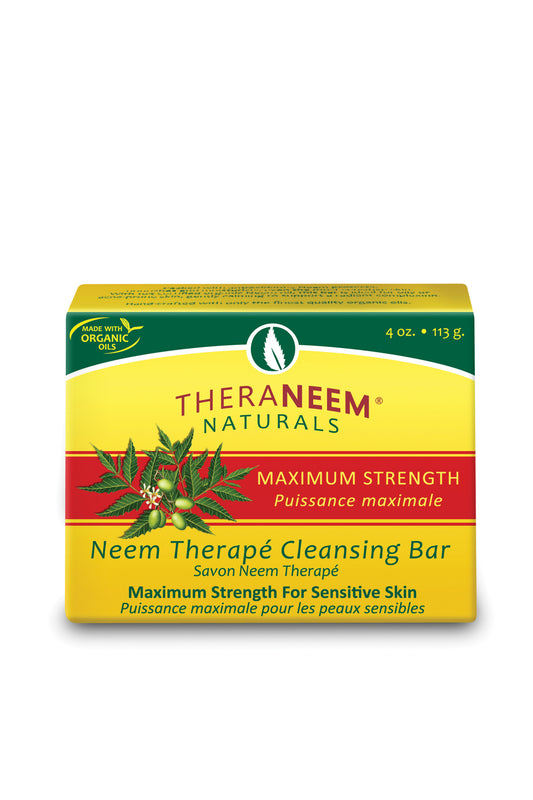
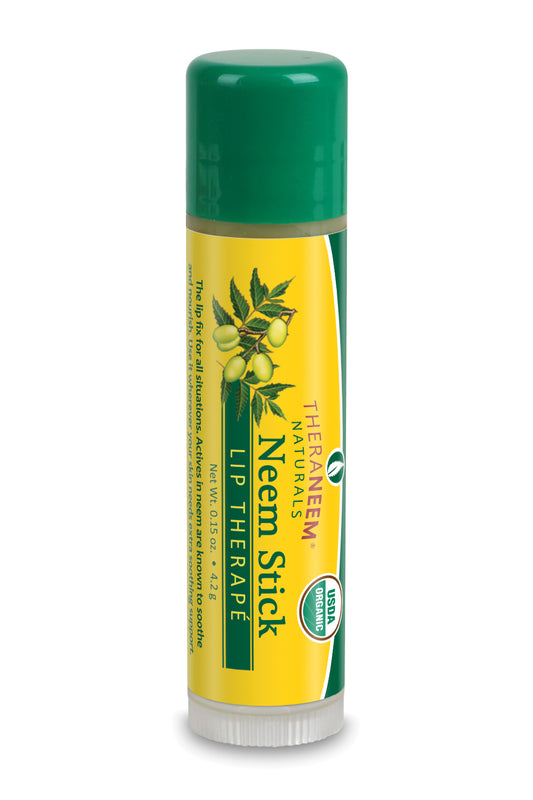
Your skin is not only your body’s largest organ, it is often your first defense against environmental pollutants and other damaging elements. Traditionally Neem leaf and Neem seed oil have been used topically to help normalize, balance and support healthy skin.
Antioxidants found in neem, other fruits and vegetables and Vitamins C and E are generally considered to be essential in protecting skin from sun, pollution, wind, and temperature as well as free radicals produced by your own body.
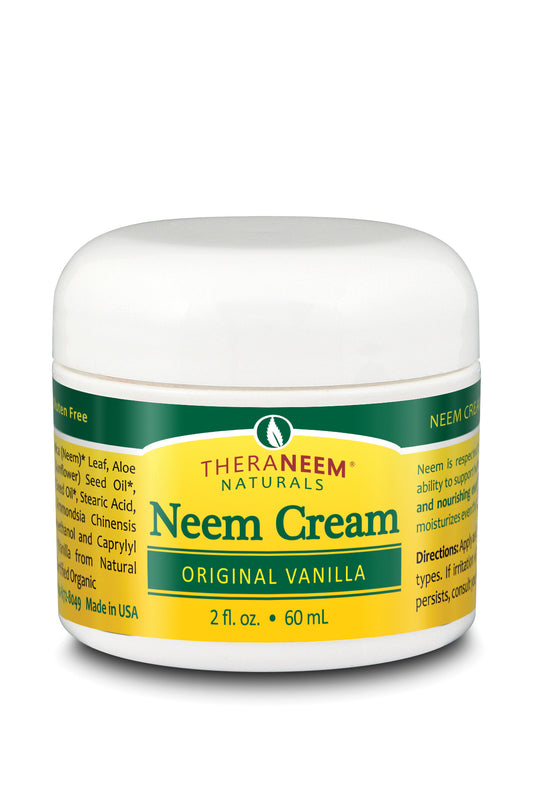
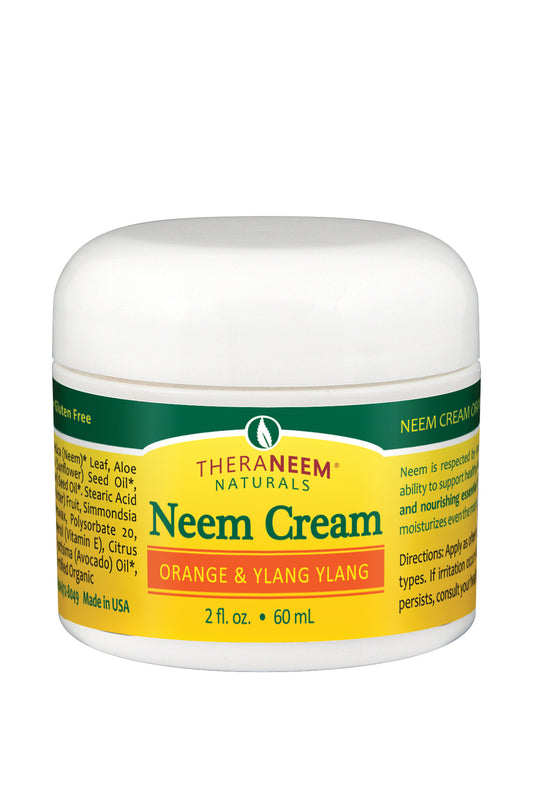
Along with antioxidants that help prevent skin damage, neem contains high levels of long-chain fatty acids and glycerides that soak in quickly to gently soothe and nourish even chronically dry and itchy skin.
When used on the skin and scalp, Neem is said to be cooling, soothing and astringent.
- Cooling - it helps to cool and calm the skin, scalp, gums or wherever it is applied.
- Soothing - it has been used for thousands of years to support healthy skin and it is traditionally used to help normalize irritated, rough or exceptionally dry skin.
- Astringent - this means it helps to tighten tissue, enhancing the appearance of youthful and healthy skin and enhancing gum strength. It also is used to prevent noncystic acne.
Active ingredients in Neem oil and leaf are traditional remedies for hair and scalp problems, working synergistically to restore health and vitality to hair and scalp as well as protect against hair loss.
Oral Care
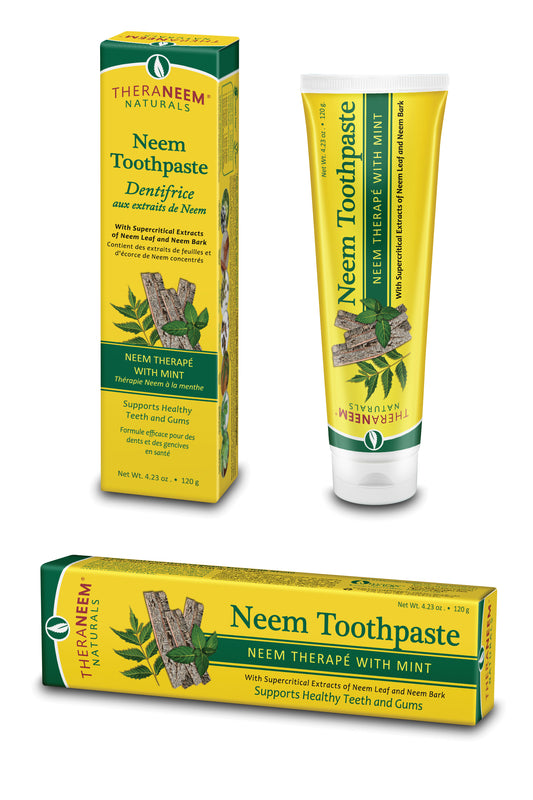
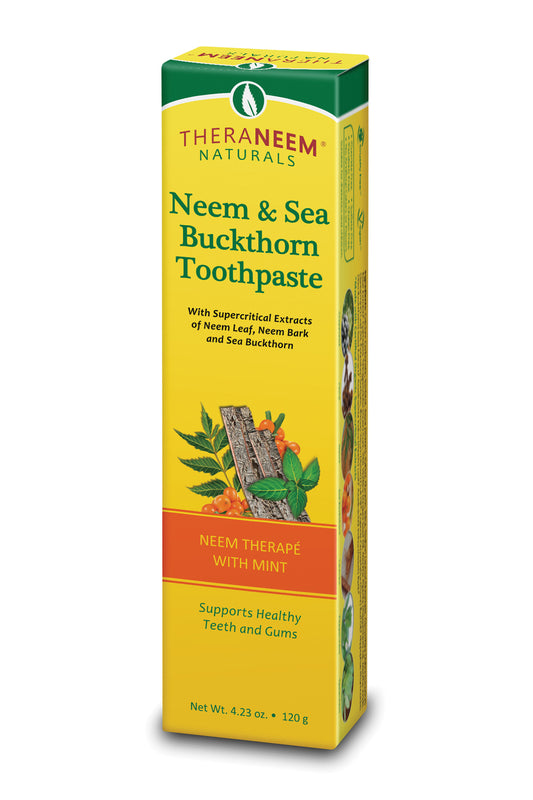
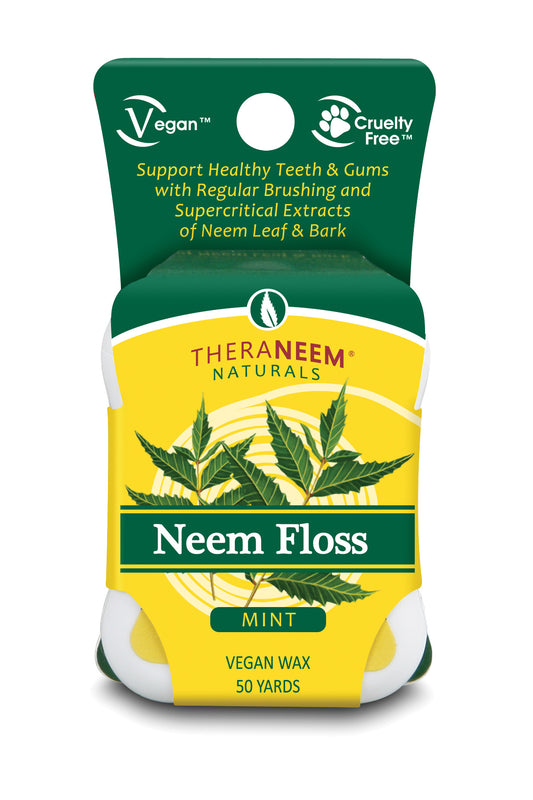
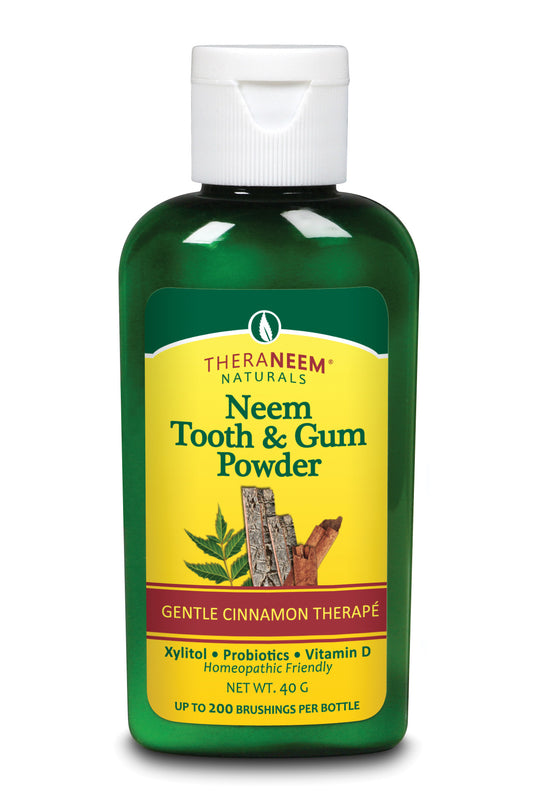
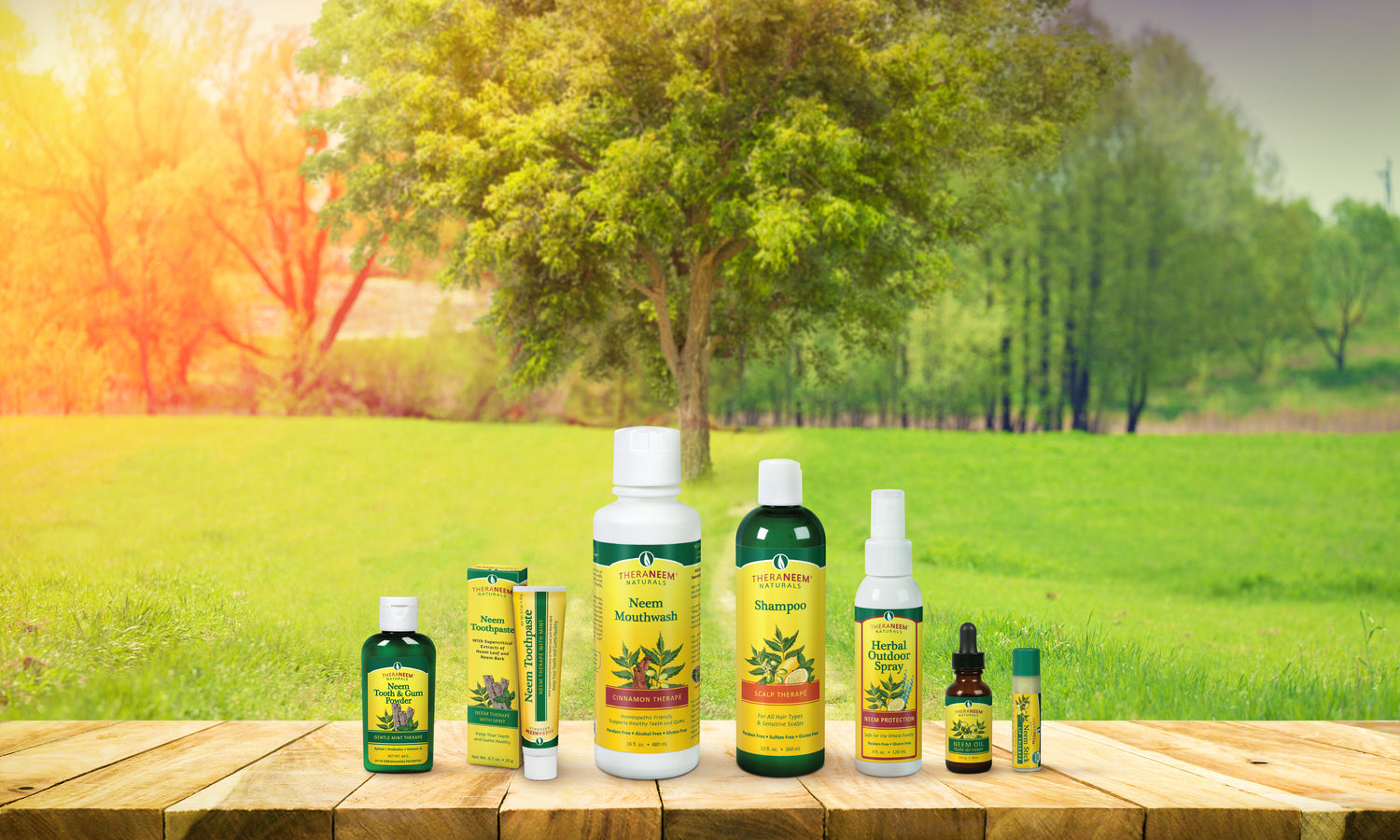
Known as the “toothbrush tree” in tropical countries around the world, neem has traditionally been used to support healthy teeth and gums. That ancient wisdom has been validated in more recent tests, including a report from the University of California School of Dentistry indicating that neem extract can reduce the ability of some bacteria to colonize on tooth surfaces.
Neem in the Garden
While the EPA has not approved all-natural neem oil as a pesticide, Organix-South is working with other companies to demonstrate its efficacy and safety. Unlike some biopesticides, neem is practically non-toxic to mammals and has a minimal impact on beneficial insects like bees and butterflies.
Additionally, using neem oil has been shown to increase earthworm populations and add phosphorous and minerals to soil, boosting both the available nutrients and overall health of the soil. It is safe to use on livestock or domestic animals.
In other countries, raw neem oil is used as a soil additive and foliar spray that help maintain a healthy garden and boost crop yields.
For best results, add 1 teaspoon of neem oil to a quart of water with ¼ teaspoon of ecologically friendly dish soap. Shake well and spray or soil-drench house plants, herbs, flowers, fruits and trees once a week. Like any oil-based product, do not apply to plants during the hottest part of the day. (Avoid the use of Dawn dishwashing soap, it appears to be more likely to cause damage than other detergents.)
|
|